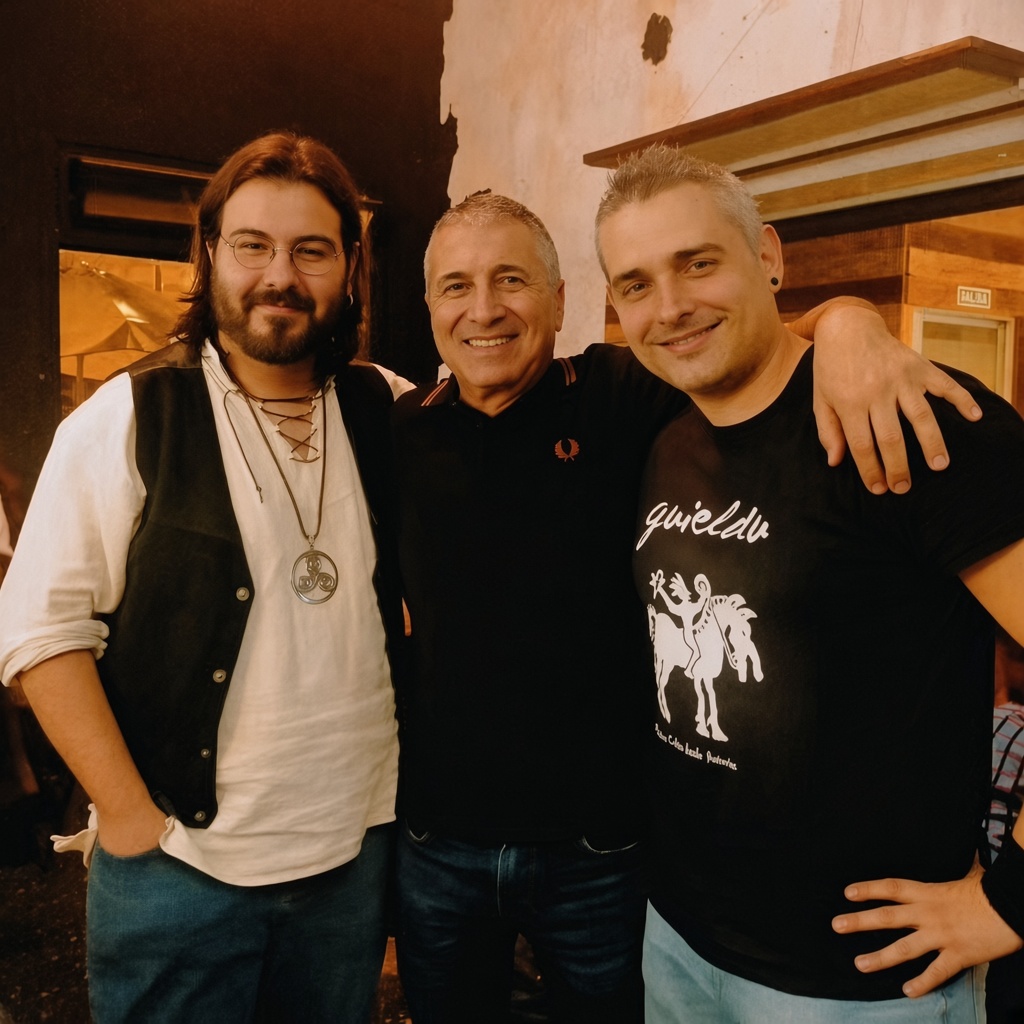
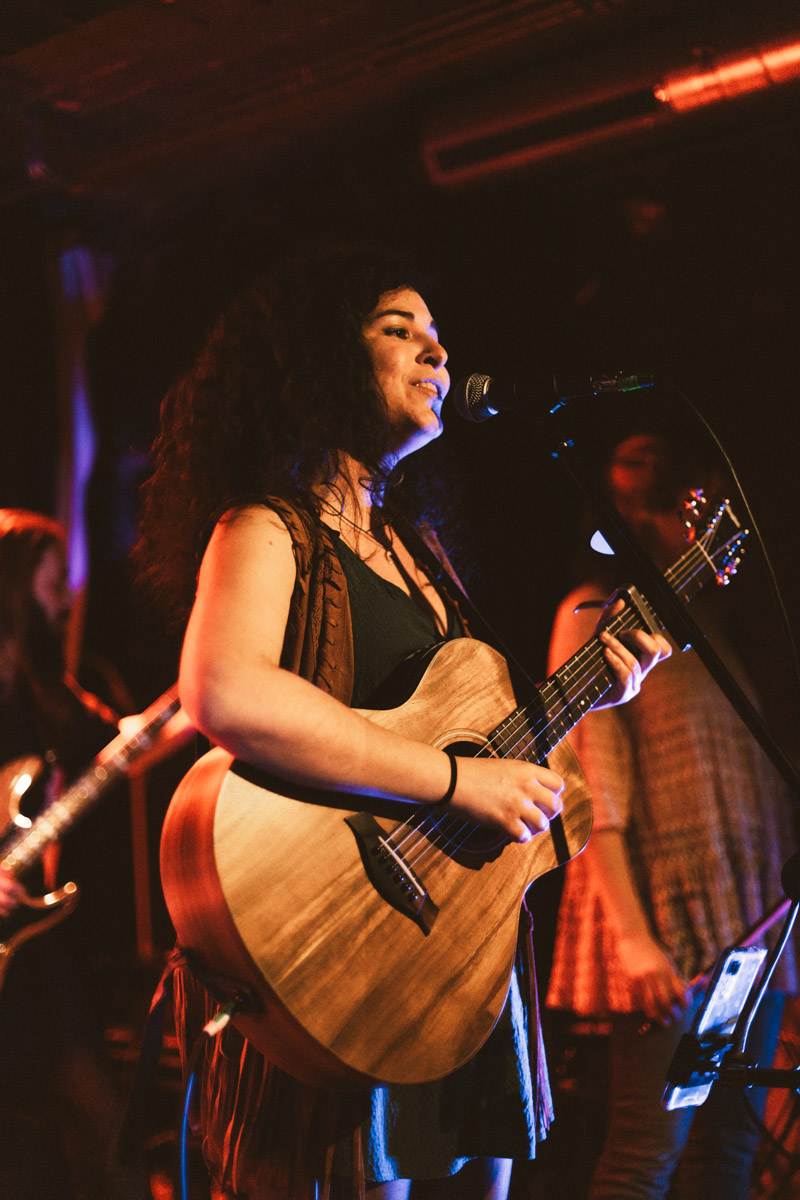
Guieldu at II Semando Fest
Oviedo
We shared the stage with poetic Asturian traditional singing, punk-rock, and Asturianist hip-hop.
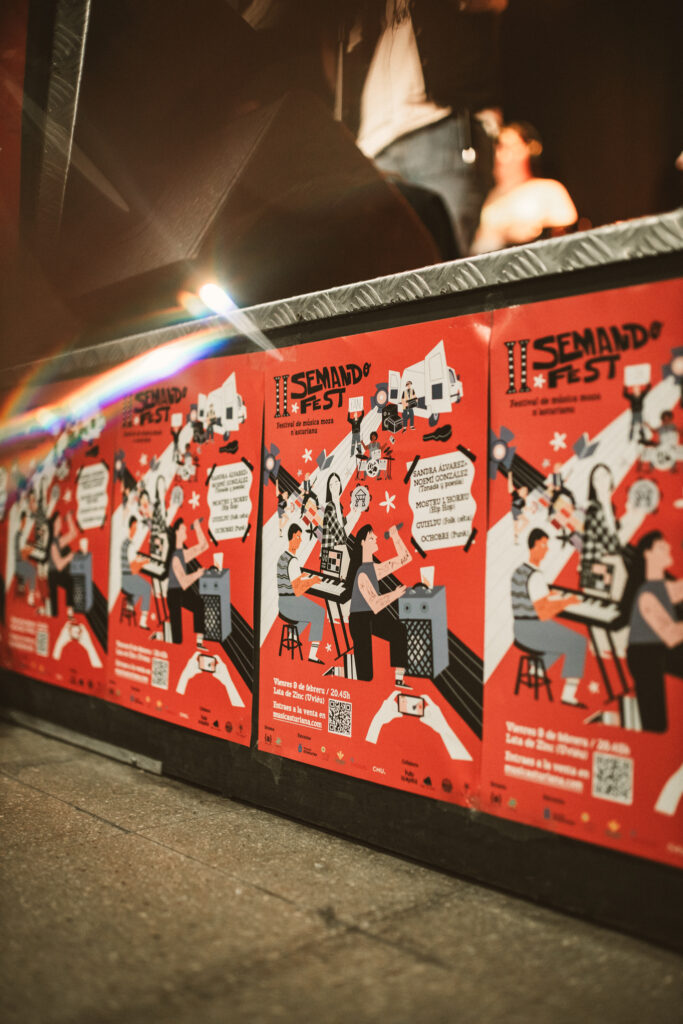
On February 9, 2024, we performed at Lata de Zinc venue in Oviedo (Uviéu) as part of the 2nd Semando Fest. It was our first concert of the year, and also one of the most special, as the cause championed by this festival goes far beyond just music.
Asturian is a fully fledged language with its own grammar, a Language Academy, a vibrant literary tradition, and over 600,000 speakers across the region. However, it lacks official status, leaving it at a disadvantage compared to other regional languages in Spain (such as Catalan, Galician, Basque, or Valencian) that enjoy co-official legal status in their respective autonomous communities. When we publish our music on digital streaming platforms, there is no linguistic category for Asturian, unlike other co-official languages. Social media platforms do not offer automatic translation from Asturian into other languages either, forcing the use of Spanish. Furthermore, in public funding calls or national music contests in Spain, the phrasing «state languages» is almost always used, yet Asturian remains excluded from this list.
That is why a language like this is not preserved in dusty books: it is preserved by living it every day — at the supermarket, the bank, on television, and, of course, through music. And that is precisely the core mission of Semando Fest.
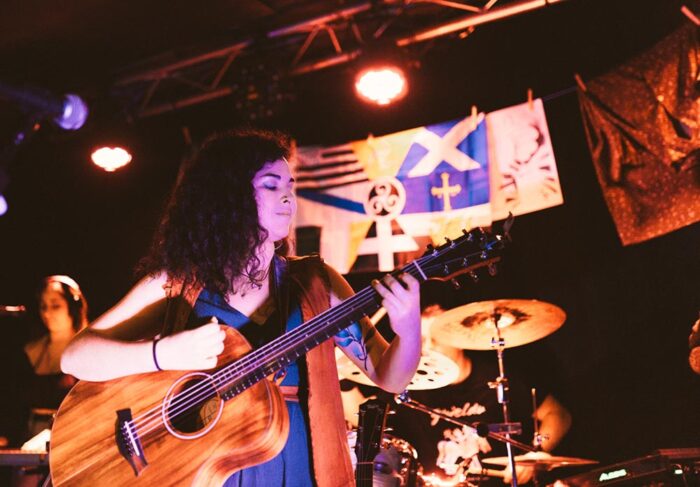
Organized by Musicasturiana.com and Ixuxú Cultura, the 2nd Semando Fest took place at Lata de Zinc venue in Oviedo. This festival serves as a showcase for the young Asturian music scene performing in Asturian across all genres. The evening opened with Sandra Álvarez and Noemí González, who blended Asturian traditional singing (*tonada*) with feminist poetry into a captivating performance. Next, Mostru l’Horru took the stage with conscious hip-hop and sharp lyricism. Then it was our turn to perform, before handing over to Ochobre, whose Asturianist punk-rock triggered the expected pogo. In fact, they invited our bandmate Jorge to join them on stage to play a song on the banjo.


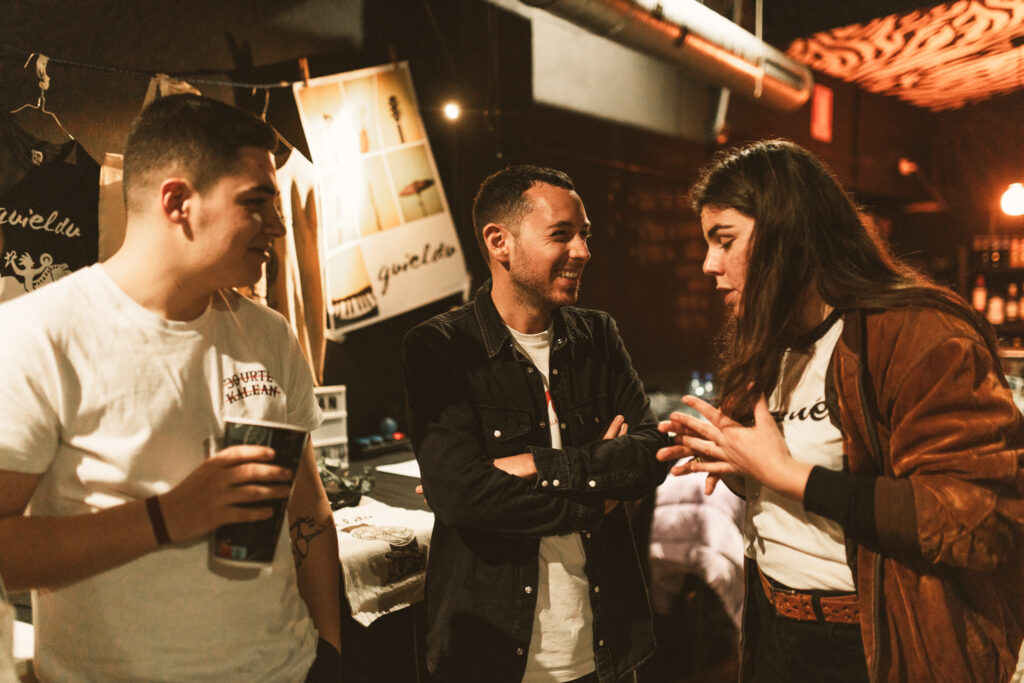
Tickets had completely sold out days in advance, so we played to a packed house. We had prepared an intense set featuring the most energetic songs in our repertoire; the connection with the audience was absolute, even if the stage space was a bit tight for all of us.
Although the featured acts belong to the younger generation, the crowd gathered at Lata de Zinc brought together people of all ages. Beyond urban genres, rock sounds continue to resonate strongly with adults, and that was evident that night. From the stage, the contrast was striking: older attendees at the back enjoyed the show at a relaxed pace, while the younger crowd right up front gave it their all.

Even though a large part of our music is instrumental, we also have vocal tracks, mostly in Asturian. Not only because it is the language of our land and of the traditional music that inspires us, but also because singing in Asturian means singing in the language we feel as our own and that shapes our identity. And just like other minority languages, it possesses a unique musicality.
We thoroughly enjoyed the night, the performances by the other bands, and above all, the message and commitment driving Semando Fest.
Concert video and photos
© Photos: Leticia Cernuda