

Guieldu at the 40th Noite Celta de Porcía
El Franco
A landmark edition of one of Asturias’ most cherished Celtic music nights
For 40 years, the Noite Celta de Porcía has been a key summer gathering for the Asturian folk community. For one night, the Alameda in Porcía, a small village in the council of El Franco on Asturias’ western coast, becomes the heart of a celebration that has remained true to the spirit in which it began and, four decades later, is still one of the great nights for folk and Celtic music in Asturias.
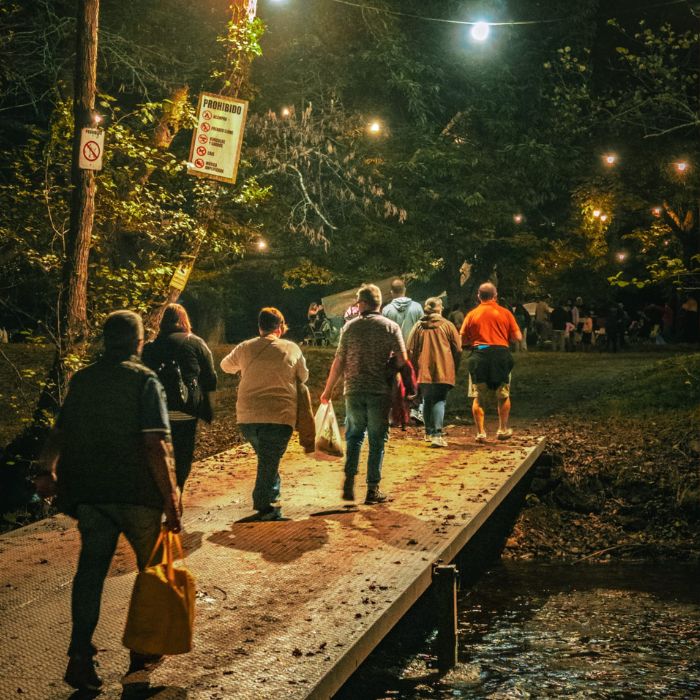
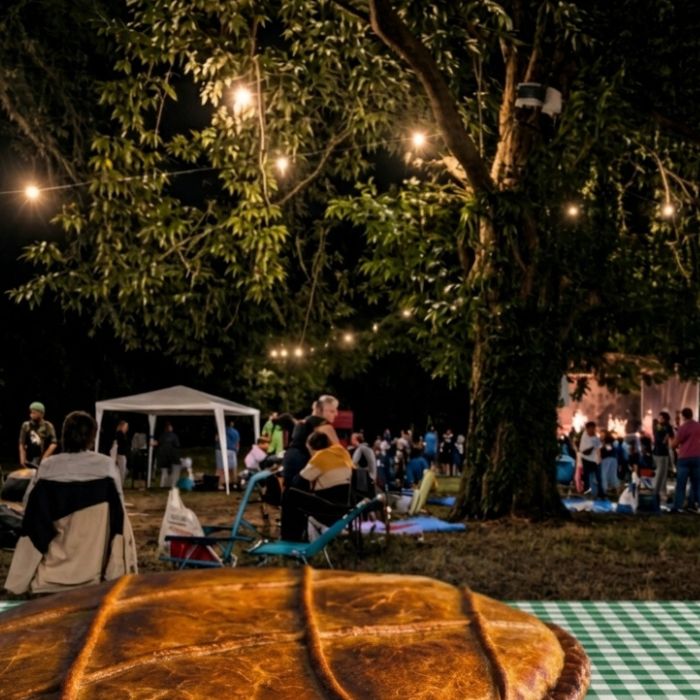
The Noite Celta was born in 1984 through the initiative of local residents, and that original spirit is still very much alive. The magic of the night lies in both the setting and the people who make it happen: the local association La Alameda, which organises the event year after year; the bands, who know the particular character of the celebration and are happy to adapt to it; and an audience that is always respectful of the surroundings and faithful to the occasion.
The Alameda de Porcía, nestled between the river and the woodland, fills with groups of friends and families who chat, have dinner and share the evening while the organisers generously serve grilled sardines. There are moments for dancing in front of the stage and quieter spells for talking beneath the trees, sitting on blankets or camping chairs, and the night continues well into the early hours.

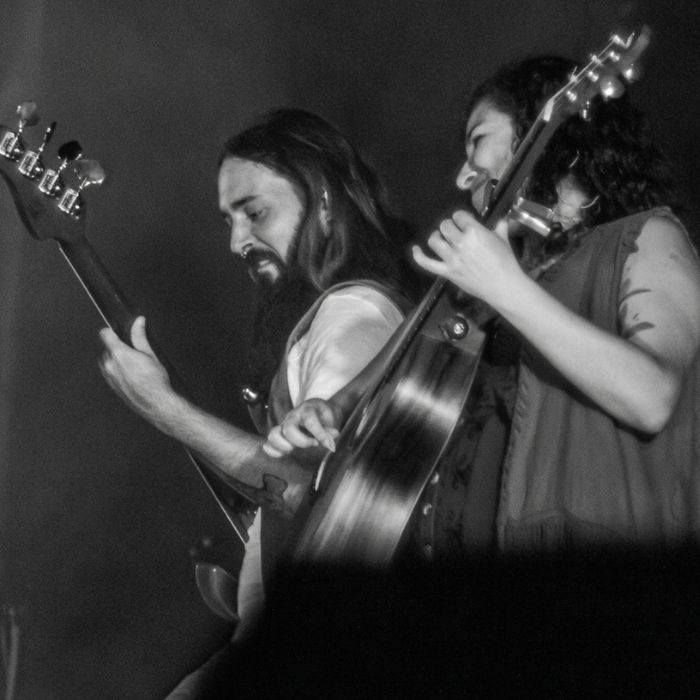
Porcía is also, for this reason, a place for reunions. For those involved in the Asturian folk scene, the Noite Celta is often an annual meeting point where they can catch up with people who live far away from each other for most of the year. Musicians, fans and friends meet again year after year and, for a few hours, the Alameda becomes a gathering point for a large part of this musical community.
The magic of Porcía has even extended beyond music. The Noite Celta has become part of Asturian literary imagination through La Noche Celta, the novel by Juan Noriega. In its original, longer version, the protagonists take part in the Celtic night and, at one point in the story, decide to leave the festivities behind and head into the woods. There, a fantastic journey begins, taking them to the Coaña hillfort in the Iron Age. The novel later inspired Ramón Prada’s symphonic suite of the same name.
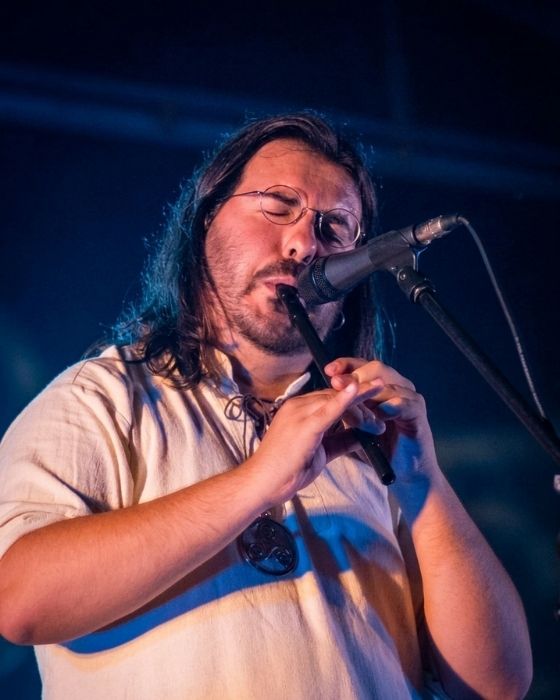
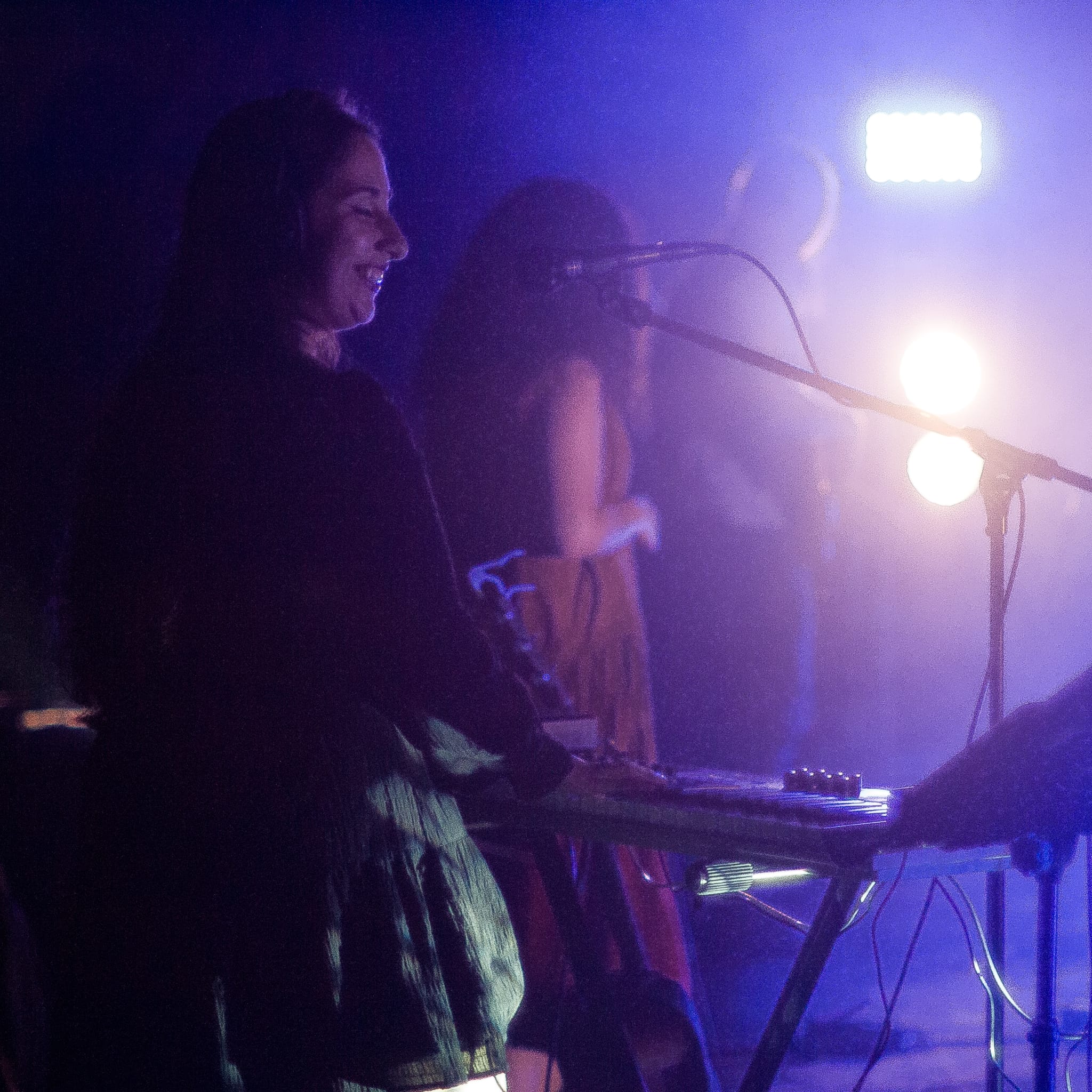
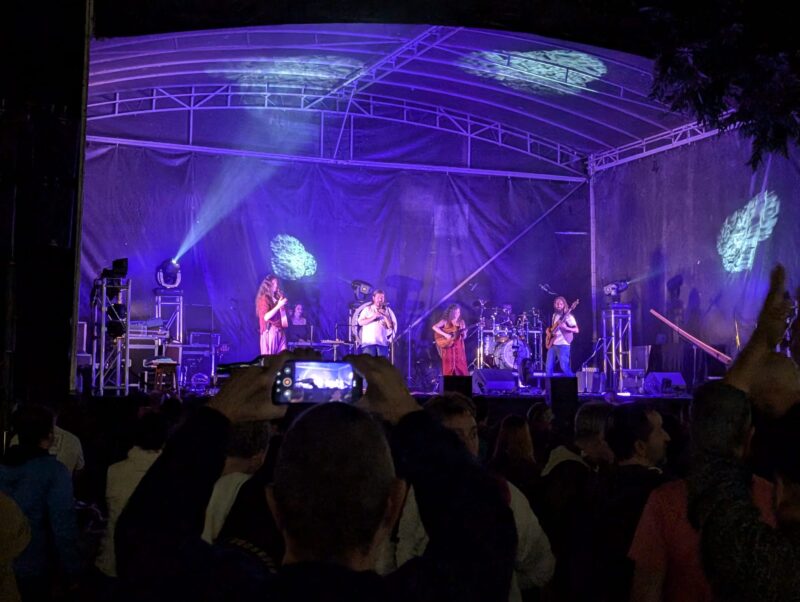
Four decades give you quite a history. The Porcía stage has welcomed some of the most important names in Asturian folk, as well as numerous groups from across the European Atlantic. The 2024 edition brought together Banda de Gaites Marino Tapiega, Deira, Llan de Cubel, Breton band Startijenn and Guieldu.
For Guieldu, being part of such a symbolic edition was a source of particular pride. Forty years is a significant milestone, and being there to celebrate it on stage was a real honour. It also came with a sense of responsibility: playing in Porcía means performing for a highly knowledgeable audience, people who know their folk and Celtic music, who have seen some of the most important names in the genre pass through this and other stages, and who know how to appreciate each proposal.
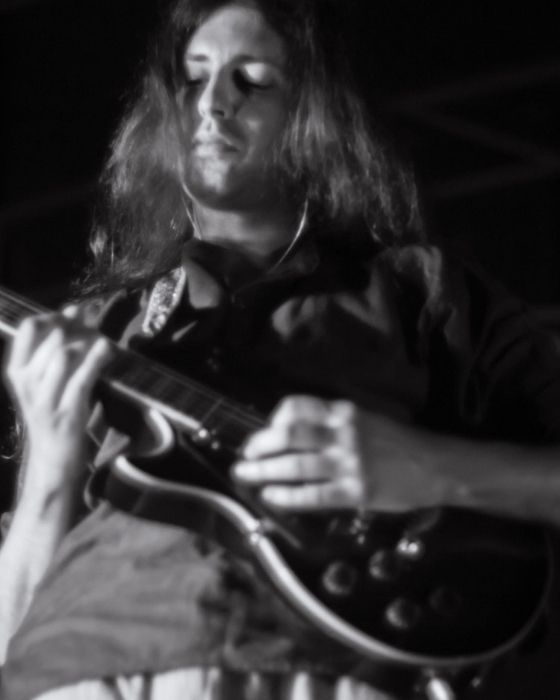
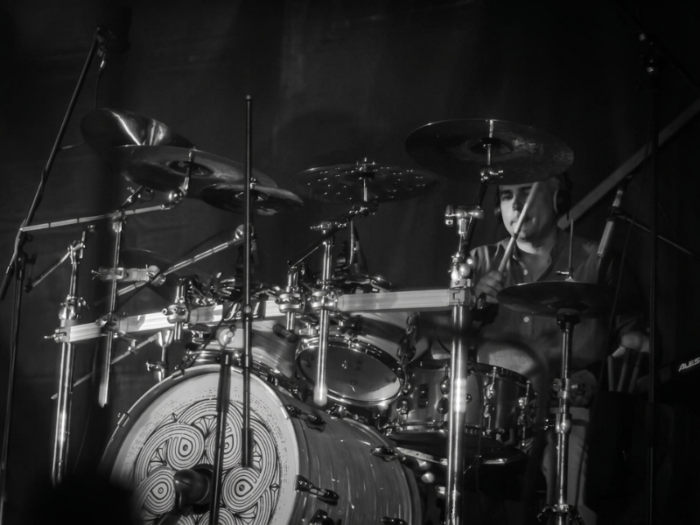
The 2024 edition had an especially personal significance for us: it was the first time we shared the stage with Llan de Cubel, one of Asturias’ best-known folk bands internationally. Their music has reached audiences far beyond Asturias, including listeners across the wider European folk scene. For Guieldu, sharing a stage with a band that has played such an important role in bringing Asturian folk to international audiences was a particularly meaningful moment.
For Laura, our keyboard player and the person responsible for the synthesisers, it was also a unique night: she lives in Porcía, so playing at the Noite Celta quite literally meant playing at home.
That first initiative by the local community is still very much alive four decades later. And perhaps the best way to celebrate forty years is simply this: for the Noite Celta to remain, summer after summer, one of the most special nights in the Asturian folk calendar.
Want to watch the video?
© Photos and video: Enrique M.